
Tree Inventory & Preservation Plans for Home Additions in Tampa Bay
Planning a home addition with mature trees on your property? O’Neil’s Tree Service specializes in comprehensive tree inventory assessments and preservation planning to help homeowners, general contractors, architects, and engineers protect valuable trees during construction projects throughout the Tampa Bay area.
We frequently partner with leading general contractors to assess trees on home addition sites before plans are finalized. Early engagement ensures your project meets municipal requirements while preserving your property’s mature landscape and value.
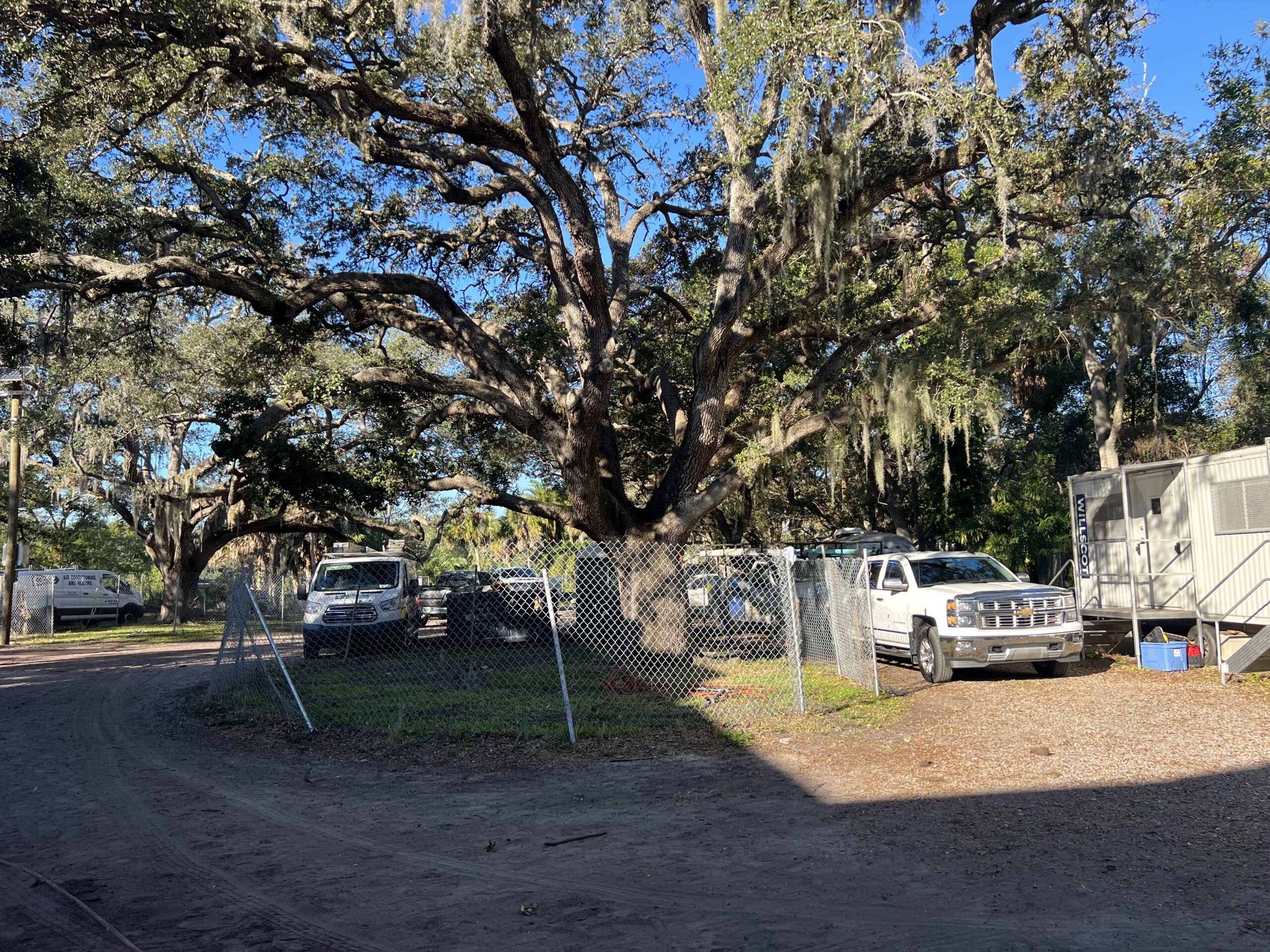
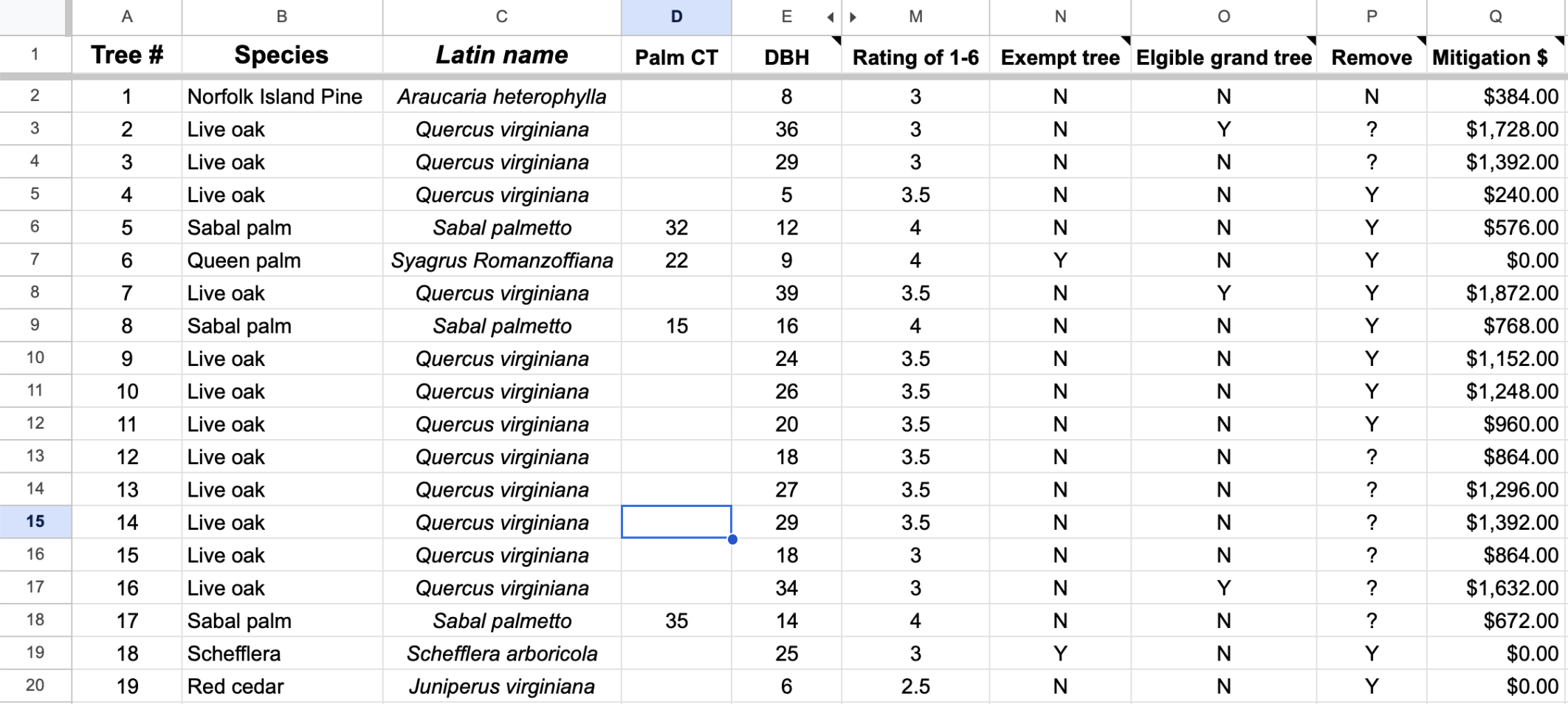
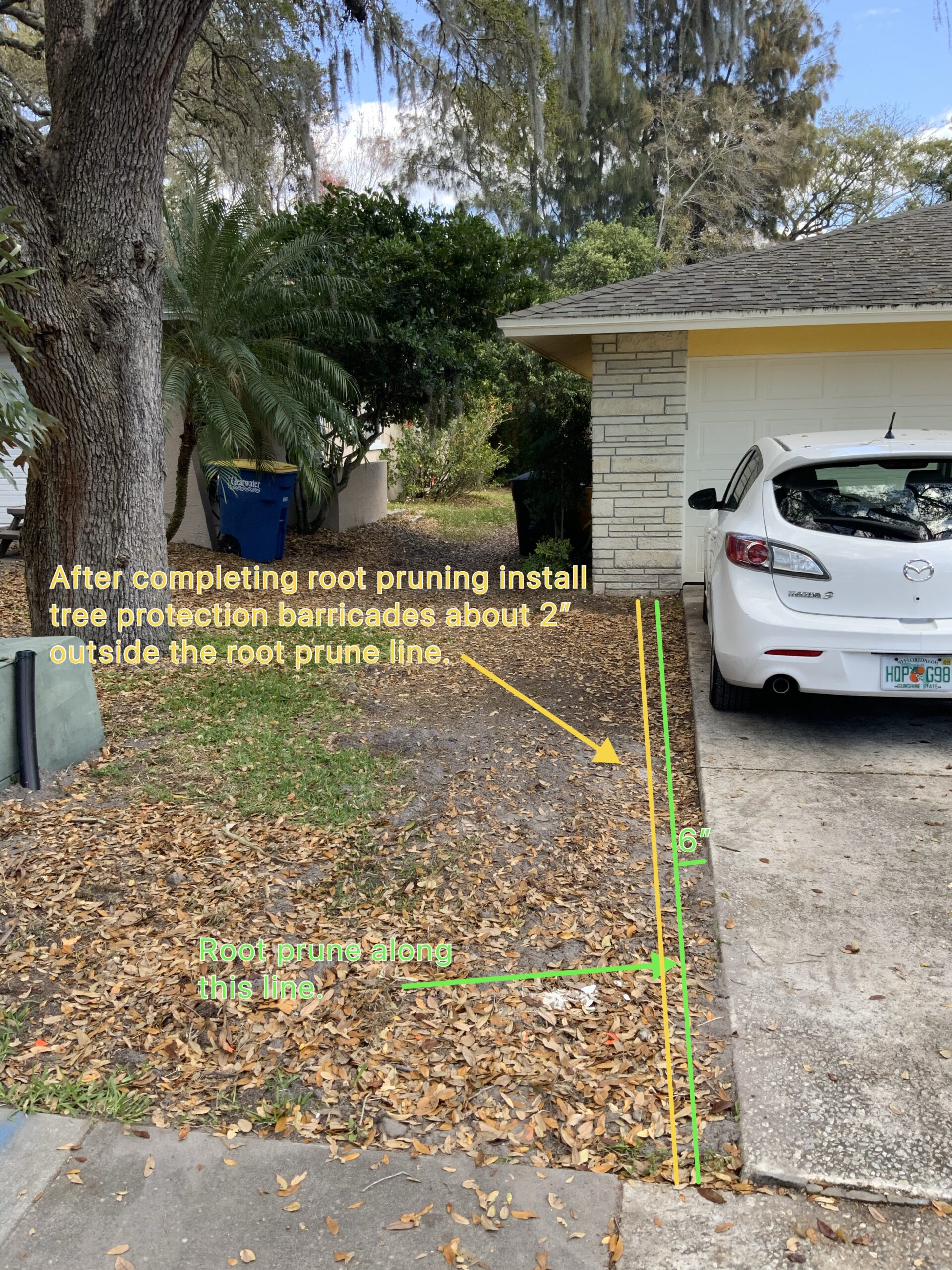
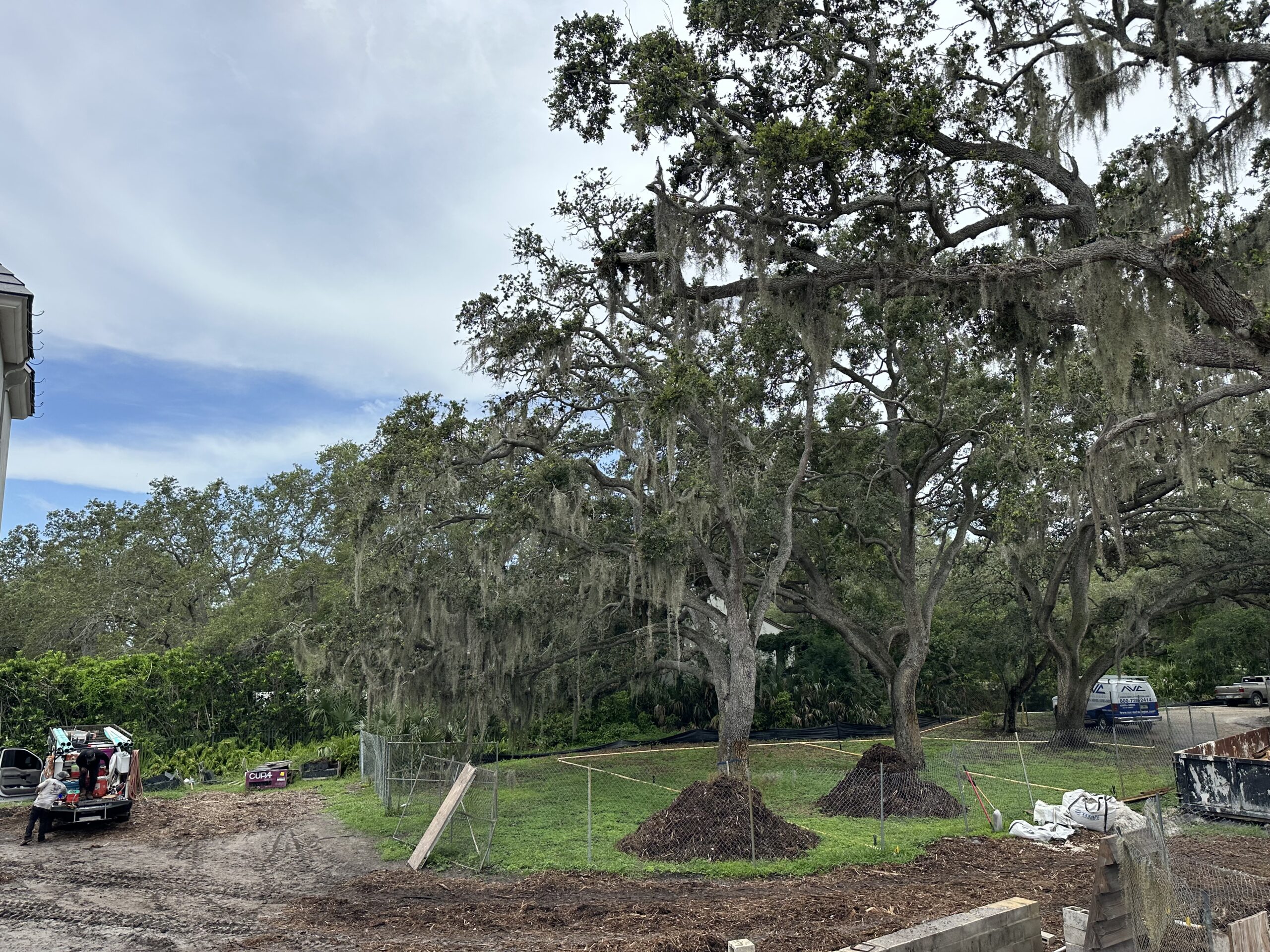
Table of Contents
Why Early Tree Assessment Matters for Your Home Addition
The ideal time to engage tree preservation services is before architectural plans are finalized. Collaborating with your architect or engineer during the design phase allows us to:
- Identify which trees can be preserved and which may conflict with construction
- Adjust building plans to minimize tree impact
- Meet municipal requirements before breaking ground
- Protect your property investment by preserving mature trees that increase home value by 10-20%
What Is a Tree Inventory and Why Do Municipalities Require It?
Most Tampa Bay municipalities require a comprehensive tree inventory for properties with existing trees before approving home addition permits. Municipal inspectors from natural resources departments review these inventories to ensure proposed blueprints won’t conflict with protected trees.
What’s Included in a Professional Tree Inventory
A municipal-compliant tree inventory documents all trees on your property and within 25 feet of property boundaries. Our certified arborists record:
Tree Species and Common Name: Proper botanical and common identification of each specimen
Diameter at Breast Height (DBH): Measured at 4.5 feet from ground level using a professional diameter tape
Canopy Spread: Measured in feet using a rolling measuring wheel, when required
Tree Condition Rating: Comprehensive assessment using the Council of Tree & Landscape Appraisers (CTLA) methodology, weighing structure (60-70%), health (25-35%), and form (5-15%)
GPS Location Coordinates: Precise mapping using professional GPS devices connected to tablets or smartphones
All data is compiled into detailed spreadsheets and transferred to site blueprints, creating a comprehensive visual map of your property’s tree inventory.
Understanding Tree Preservation Plans for Construction Sites
Beyond the inventory, municipalities require a tree preservation plan before construction begins (unless no trees exist on site). These plans protect trees from common construction hazards including:
- Soil compaction from construction dumpsters to heavy equipment
- Grade changes that affect root zones
- Root damage from excavation
- Chemical contamination from construction materials
General contractors implement our preservation plans throughout the construction phase, ensuring trees remain healthy during and after your home addition project.
Protecting Neighboring Trees During Your Construction Project
Comprehensive preservation plans consider impacts on both your trees and your neighbors’ trees. This is why municipal codes require inventories to include trees within 25 feet of property lines.
For example, if your neighbor has a grand live oak 10 feet from the property line, construction traffic, heavy equipment, and material deliveries could damage the tree’s critical root zone. Our plans specify protective measures such as:
- Installing 5+ inches of mulch covered with construction mats or thick plywood across traffic areas
- Extending protection beyond the Tree Protection Zone (TPZ) – typically 5 times the trunk diameter
- Establishing tree barricades at property lines to prevent unauthorized access
Municipal Tree Barricade Requirements s
Tree barricade requirements vary by municipality. Some cities have different regulations. Below are examples of different requirements by city:
Dunedin: Chain-link fencing required for trees exceeding 36 inches DBH
Clearwater: Orange construction fencing with stakes typically sufficient
Regardless of fence type, all municipalities strictly prohibit personnel, materials, and machinery within established tree barricade areas. These barriers protect the Critical Root Zone (CRZ), preventing construction damage that could compromise tree health or survival.
Installing Silt Barriers Without Damaging Tree Roots
Municipal natural resources departments typically require silt barriers to prevent soil erosion during construction. However, traditional installation involves trenching and burying fabric material, which can sever tree roots.
Our preservation plans specify root-safe installation methods. We recommend avoiding trenching within the Tree Protection Zone (5 times trunk diameter). Where barriers must cross critical root zones, we specify anchoring fabric with sandbags rather than buried trenching, protecting roots while meeting erosion control requirements.
Comprehensive Tree Preservation Services
Our tree preservation plans provide detailed guidance across multiple aspects of construction management:
Plant Health Care and Monitoring
Construction creates significant stress for trees. Our plant health care programs include strategic treatments before, during, and after construction. Pre-construction applications of plant growth regulators can increase fibrous root mass while limiting growth, allowing trees to conserve energy rather than expending it on new growth – essentially putting the tree in a protective dormant state. When timed correctly before excavation begins, trees tolerate construction impacts far better. Ongoing plant health care throughout the project ensures trees remain healthy through completion.
Strategic Tree Pruning for Construction Clearance
Preservation plans identify branches requiring pruning to improve structure, clearance or construction safety. This may include:
- Removing low branches that interfere with new structures
- Eliminating dead, hanging, or structurally compromised branches before construction begins
- Preventing untrained construction workers from making damaging cuts themselves
Professional pruning by certified arborists prevents the irreversible damage that occurs when construction crews attempt tree work without proper training.
Professional Root Pruning and Excavation
When home additions require root zone excavation, municipalities demand precise documentation including diagrams, photographs, and detailed methodology. Our root pruning protocols follow industry best management practices:
Air Excavation: We use air spade technology to expose roots without damaging them or underground utilities, unlike backhoes or excavators which tear and crush roots
Selective Root Pruning: Only roots conflicting with footings and foundations are cut, while leaving others intact below construction depths
Clean Cuts: Roots are cleanly severed to predetermined depths (typically 14 inches) across the critical root zone distance
Trees with root zone impacts have reduced capacity to absorb water and nutrients, making post-pruning care essential for survival.
Managing Grading and Fill Around Existing Trees
Many Tampa Bay native species including live oak, slash pine, and magnolia trees are extremely sensitive to grade changes and added fill dirt. Slash pine ranks among the most vulnerable to construction-related grading damage.
Trees acclimated to existing site conditions suffer severe stress when conditions change. This stress makes them susceptible to fungi, bacteria, and insects that target compromised trees. We frequently see pine mortality during and after construction when proper protection measures aren’t implemented.
Our preservation plans specify protective measures for any grading or fill work near trees, preventing the gradual decline that often goes unnoticed until it’s too late to save the tree.
Temporary Construction Irrigation Systems
Trees accustomed to irrigation systems become dependent on supplemental water. When construction disrupts or disables existing irrigation, these trees lack the extensive root systems needed to find water independently.
Our plans may recommend professional temporary irrigation installation before construction begins. This is particularly critical for:
- Properties with established irrigation-dependent trees
- Sites previously undisturbed by human activity (trees are more sensitive to sudden changes)
- Trees undergoing root pruning or excavation stress
Temporary irrigation prevents water stress from compounding other construction-related stressors that can trigger tree decline.
Drainage System Planning to Protect Tree Roots
Construction blueprints often include drainage specifications that can severely impact trees:
Gutters that dump water in the wrong places: When gutters are thoughtfully placed by a considerate gutter company, the results are much better for trees
Underground Drainage Pipes: Installation severs roots in excavation paths
Drainage Swales: Soil ditches constructed through root zones can rip roots from tree bases and bury them under oxygen-limiting soil layers
Both scenarios contribute to stress and decline. Our preservation plans review drainage specifications and recommend modifications to minimize root zone impacts while maintaining proper site drainage.
When Tree Removal Becomes Necessary
Sometimes trees cannot be preserved. When a tree’s major structural branches or critical root zone must be removed to accommodate your home addition, removal becomes the only option. Our preservation plans identify these situations early, allowing removal to occur before construction begins while implementing protective measures for remaining trees.
Pre-construction removal prevents the chaos of mid-project tree work and ensures proper implementation of preservation protocols for the trees that will remain on your property.
The Value of Early Consultation
Optimal tree preservation outcomes begin during the conceptual design phase. When architects, engineers, and general contractors consult with O’Neil’s Tree Service before finalizing drawings, we can:
- Advise which trees can realistically be preserved
- Recommend site plan modifications that protect valuable specimens
- Develop comprehensive preservation strategies before construction costs are committed
This collaborative approach results in properties that maintain mature trees, significantly increasing home value. Mature trees can boost property values by 10-20% or more, making preservation planning a valuable investment.
Partner With O'Neil's Tree Service for Your Home Addition
O’Neil’s Tree Service provides comprehensive tree inventories and preservation plans for homeowners, general contractors, architects, and engineers throughout the Tampa Bay area. Our municipal-compliant documentation and expert implementation ensure your home addition project proceeds smoothly with minimal tree loss.
Contact us today to protect your property’s valuable trees during your home addition project.
Tree inventory costs vary based on property size, number of trees, and project complexity. For a typical residential home addition project with 5-15 trees, expect costs between $800-$1,800. This includes comprehensive measurement, GPS mapping, condition rating, and municipal-compliant documentation. Contact us for a free site assessment and accurate quote.
Engage tree preservation services during the conceptual design phase, ideally before architectural plans are finalized. Early consultation allows us to work with your architect or engineer to adjust building plans around valuable trees. This will potentially save you thousands in additional costs associated with updating construction plans and removal costs while preserving property value. At minimum, contact us before submitting permit applications.
Most Tampa Bay municipalities won’t issue construction permits for home additions without an approved tree inventory and preservation plan. Often people come to us to do a tree inventory after they already have blueprints. Many of the local Tampa Bay municipalities will not allow the tree removal of healthy trees that could be saved requiring you to alter your plans. This costs you more to adjust the plans or redo them. Meeting with us before hand saves money and trees.
Property owners attempting construction without proper documentation can result in stop-work orders, fines, required tree replacement, and costly project delays. Municipal inspectors actively monitor construction sites for compliance.
Not all trees can be preserved. Trees requiring removal of major structural branches or extensive critical root zone excavation may not survive construction stress. Our assessment identifies which trees can realistically be preserved versus which should be removed before construction begins. Early planning often allows building modifications that save valuable specimens.
Yes. Municipal codes require tree inventories to include neighboring trees within 25 feet of property lines because construction activity on your property can damage nearby trees. Your preservation plan must protect neighbors’ trees from equipment damage, soil compaction, and root zone disturbance. Failing to protect a neighbor’s tree can result in legal liability.
A typical residential tree inventory and preservation plan takes 1-2 weeks from initial site visit to final documentation delivery. Site assessment usually requires 2-4 hours depending on property size. We then compile data, create site maps, and prepare municipal-compliant documents. Rush services may be available for time-sensitive projects
We use professional-grade equipment including diameter tapes for accurate DBH measurements, GPS devices (connected to tablets or smartphones) for precise location mapping, and rolling measuring wheels for canopy spread documentation. All measurements follow Council of Tree & Landscape Appraisers (CTLA) industry standards.
These terms are often used interchangeably and both typically extend 5 times the tree’s trunk diameter from the base. This zone contains the majority of absorptive roots essential for tree survival. Construction activity within this zone must be carefully managed to prevent soil compaction, root damage, and tree decline.
Some construction impact is inevitable, but proper preservation planning dramatically reduces damage and increases survival rates. Without protection, construction typically causes severe stress leading to decline or death. With professional planning and implementation, most preserved trees remain healthy throughout construction and recover fully. The goal is minimizing impact, not eliminating it entirely.
Yes, absolutely. Slash pine is among the most sensitive to construction-related disturbances and frequently dies without proper protection. Live oaks are more tolerant but still require careful management. Magnolias, laurel oaks, and other species each have different sensitivities to grade changes, root pruning, and soil compaction. Our assessments factor in species-specific vulnerabilities.